Table of Contents
- Step 1: Blot and Absorb Fresh Urine Immediately
- Step 2: Apply a Vinegar and Water Solution
- Step 3: Use an Enzymatic Cleaner for Pet Urine
- Step 4: Test for Colorfastness Before Full Treatment
- Step 5: Address Deep-Set and Stubborn Odors
- Removing Dog Urine from Wool Rugs: Special Considerations
- When to Call Professional Carpet Cleaning for Pet Stains
- Drying and Preventing Mold After Cleaning
- Preventing Future Accidents on Your Area Rugs
- Frequently Asked Questions
Last Updated: September 30, 2026
Step 1: Blot and Absorb Fresh Urine Immediately
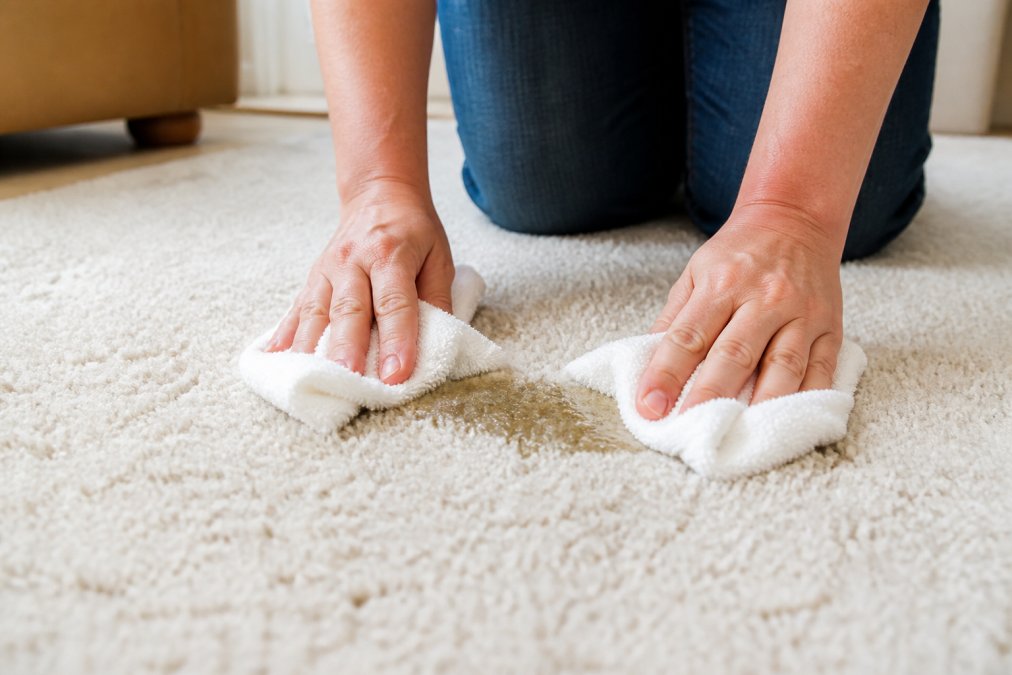
The fastest way to remove dog urine area rugs starts the moment the accident happens. Speed matters. Fresh urine hasn’t yet bonded with the fibers, so blotting immediately prevents saturation and makes cleanup far easier.
Grab white absorbent towels or paper towels and press firmly onto the wet spot. Don’t rub. Rubbing pushes urine deeper into the rug fibers and padding. Instead, apply downward pressure and let the towel absorb the liquid. Work from the edges of the stain toward the center to contain the spread.
Repeat with fresh towels until no more liquid transfers to the cloth. This step alone removes much of the urine before it penetrates deeper. The goal is complete absorption before moving to chemical treatments.
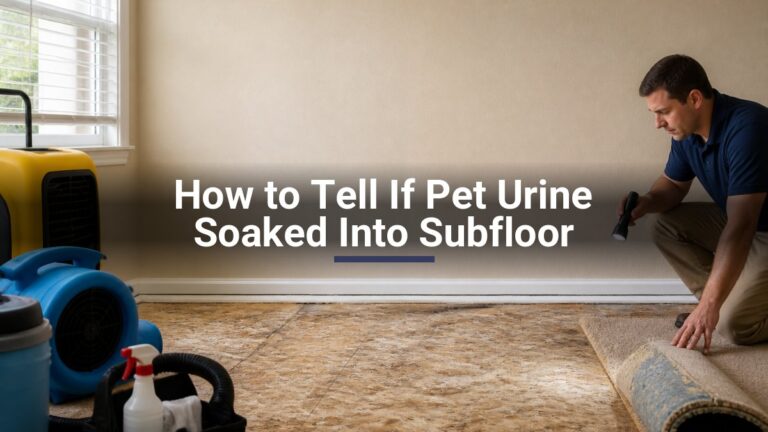
If the accident soaked through to the padding underneath, you’re dealing with a deeper problem. The uric acid crystals in dog urine can settle into the sub-floor and padding, creating lasting odor even after the surface dries. This is why professional intervention becomes necessary for old or severe stains.
Press down hard for 10-15 seconds per spot, then move to a fresh section of towel. Reusing the same wet area just spreads bacteria around instead of removing it.
Step 2: Apply a Vinegar and Water Solution
White vinegar neutralizes the ammonia in dog urine naturally. Mix equal parts distilled white vinegar and lukewarm water in a spray bottle. This solution works on most synthetic rug fibers without causing damage.
Spray the affected area generously until the rug is damp but not soaked. Let it sit for 5-10 minutes. The vinegar begins breaking down the uric acid crystals that cause odor.
Blot again with fresh towels, pressing firmly to pull out the vinegar solution along with dissolved urine. You may need to repeat this spray-and-blot cycle two or three times for stubborn spots.
The vinegar smell will fade as the rug dries. Open windows or run a fan to speed up air circulation. Many pet owners find this DIY approach effective for fresh accidents, though it may not fully eliminate odors from old, deep-set stains.
Test this solution on a hidden corner of the rug first if you’re unsure about colorfastness. Some dyed rugs can bleed if exposed to acidic solutions. See Step 4 for proper testing.
Step 3: Use an Enzymatic Cleaner for Pet Urine
Enzymatic cleaners break down the organic compounds in urine that cause lasting odor. Unlike vinegar, which only neutralizes ammonia, enzymes actually digest the proteins and uric acid crystals that create the smell.
Look for cleaners specifically labeled for pet urine. Products like Bissell Pawsitively Clean contain live enzymes that target the exact compounds in dog waste. Apply the cleaner according to package directions, usually by spraying or pouring it onto the stain.
Let the enzymatic cleaner sit for the recommended dwell time, typically 10-30 minutes. The enzymes need time to activate and break down the organic material. During this period, avoid walking on the treated area.
Blot thoroughly with absorbent towels. The enzymatic cleaner works best when moisture is present, so don’t let the rug dry completely during treatment. For the enzymatic formula to work, the area must stay damp enough for the enzymes to stay active.
This step is crucial for preventing your dog from remarking the same spot. Dogs can smell urine residue that humans can’t detect. If even traces remain, your dog will return to that location repeatedly.
Step 4: Test for Colorfastness Before Full Treatment
Before applying any liquid solution to your entire rug, test a small hidden area first. Some dyed rugs, especially those with deep colors or natural fibers, can bleed or fade when exposed to acidic solutions or enzymatic cleaners.
Choose a corner under furniture or along an edge where discoloration won’t be visible. Apply a small amount of your chosen cleaning solution. Wait 10 minutes, then blot with a white cloth.
If the white cloth shows color transfer, stop immediately. Your rug is not colorfast to that particular solution. You’ll need to choose a different approach or call a professional who specializes in delicate rugs.
For wool rugs and other natural fibers, colorfastness testing is non-negotiable. These materials are more prone to damage from harsh chemicals and strong pH imbalances. A quick test prevents expensive mistakes.
Colorfastness testing takes 10 minutes and prevents permanent damage. It’s the cheapest insurance you can buy before treating your entire rug.
Step 5: Address Deep-Set and Stubborn Odors
When you need to remove dog urine area rugs that have dried and set, more aggressive treatment is required. The uric acid crystals have bonded with the fibers, and simple blotting or vinegar won’t reach them.
Oxygen-based cleaners like OxiClean Carpet & Area Rug Stain Remover use a different mechanism than enzymatic products. They oxidize the stain, lifting it from the fibers. Apply according to package directions, usually by saturating the area and letting it work for several hours.
For truly stubborn odors, layer your approach. Start with the enzymatic cleaner, let it dry completely, then apply an oxygen-based cleaner. The enzymes break down the organic compounds first, then the oxidizer tackles any remaining residue.
If home treatments don’t eliminate the smell, the urine has likely penetrated the padding and sub-floor. At this point, professional extraction equipment becomes necessary. PowerPro Carpet Cleaning uses low-water extraction methods that remove deep-set urine without oversaturating your rug, allowing faster drying while targeting the source of the odor.
Lingering smells after DIY treatment often indicate that the problem runs deeper than the visible stain. Professional assessment can identify whether the issue is surface-level or requires padding replacement.
Removing Dog Urine from Wool Rugs: Special Considerations
Wool, silk, jute, and antique fibers require fundamentally different treatment protocols than synthetic rugs because their protein structure and dye chemistry are incompatible with many standard pet-stain solutions. Understanding why these materials fail under certain treatments prevents costly damage.
Wool Rugs
Wool fiber is made of keratin protein, the same protein found in human hair. Acidic solutions (like vinegar) lower the pH around the fiber, causing the outer cuticle layer to swell and roughen. This process, called felting, permanently alters texture and can make the rug feel matted or stiff. Enzymatic cleaners are safe for wool because they work at neutral pH and target only the organic compounds in urine, not the fiber itself.
Wool’s natural lanolin coating (a waxy oil) makes it naturally stain-resistant but also slows drying significantly. After enzymatic treatment, wool rugs require 24-48 hours to dry completely, even with fans and open windows. Never oversaturate wool. Apply minimal liquid, blot immediately and thoroughly, and avoid walking on the rug during drying.
Always test colorfastness on wool in a hidden corner before full treatment. Wool dyes, especially natural dyes used in antique rugs, are less stable than synthetic dyes. If color bleeds onto your test cloth, professional cleaning is your only safe option.
Silk Rugs
Silk is even more delicate than wool. The protein fibers are finer and more prone to damage from moisture and pH imbalance. Silk should never be treated with vinegar, oxygen-based cleaners, or enzymatic products without professional guidance. Water itself can cause permanent staining or color bleeding in silk.
If your silk rug has a urine accident, blot immediately with white towels to remove as much liquid as possible, then stop. Do not apply any solution. Call a professional cleaner who specializes in silk. Attempting DIY treatment on silk risks permanent damage that no amount of professional restoration can fully reverse.
Jute and Natural Fiber Rugs
Jute, sisal, and other plant-based fibers absorb and hold moisture longer than wool or silk. They are also highly susceptible to mold and mildew growth if they remain damp. These fibers can also shrink or become brittle when exposed to water-based solutions.
For jute rugs, blot fresh urine immediately and thoroughly. Do not apply liquid solutions. If the urine has soaked through, the rug likely needs professional cleaning with specialized low-moisture extraction equipment that removes liquid without oversaturating the fibers. Jute rugs that stay damp for more than 12 hours risk permanent odor and mold colonization.
Antique and Hand-Knotted Rugs
Antique rugs often combine delicate fibers (wool, silk, or plant-based) with natural dyes that are unstable when exposed to moisture or pH changes. The structural integrity of hand-knotted rugs also depends on the knot tension, which can loosen if the rug is oversaturated.
For any antique rug, professional assessment is non-negotiable. Do not attempt DIY treatment. The cost of professional cleaning is minimal compared to the risk of permanent damage to a rug that may have significant monetary or sentimental value.
Wool, silk, jute, and antique rugs should never be treated with vinegar or oxygen-based cleaners without professional guidance. Test any enzymatic cleaner on a hidden corner first. When in doubt, call a professional.
When to Call Professional Carpet Cleaning for Pet Stains
DIY methods work well for fresh accidents and light stains. But certain situations demand professional help. If urine has soaked through to the padding or sub-floor, home treatments won’t reach the source of the odor.
Signs you need professional cleaning:
- The smell returns within days of DIY treatment
- The stain covers a large area (more than 2-3 feet)
- The rug has been stained for weeks or months
- You’ve tried multiple home treatments without success
- The rug is wool, silk, or another delicate material
- The urine has seeped into the padding or sub-floor
Professional cleaners use extraction equipment that removes liquid from deep within the rug structure. They also have access to commercial-grade enzymatic cleaners and disinfecting solutions that aren’t available to consumers.
PowerPro Carpet Cleaning specializes in pet stain removal using organic, green-certified solutions that eliminate odors without harsh chemicals. The low-water extraction method removes deep-set urine while allowing rugs to dry within hours, preventing mold and mildew growth.
Professional cleaning is best for old stains, delicate rugs, or situations where DIY methods have failed. It’s also the right choice if you want guaranteed odor elimination and protection against future accidents.
Drying and Preventing Mold After Cleaning
Proper drying is critical after any wet treatment. Damp rugs create an environment where mold and mildew thrive. Poor air circulation traps moisture and extends drying time, increasing the risk of fungal growth. But drying is only the first step; restoring the rug’s texture and chemical balance prevents long-term damage and ensures the odor doesn’t return.
Accelerating Drying
After blotting and treating, open windows on opposite sides of the room to create cross-ventilation. Position fans to direct air across the treated rug. If the weather is dry, crack windows even in cool months to promote air movement. Avoid walking on the rug while it’s drying; foot traffic reactivates moisture and can spread bacteria.
Humidity levels matter. If your home is naturally humid or you live in a damp climate, consider running a dehumidifier in the room. Keeping humidity below 50% prevents mold growth and speeds drying. Check the rug after 24 hours, it should feel dry to the touch. If it still feels damp, continue running fans and dehumidifiers. Rugs that stay wet for more than 48 hours risk developing mold, which creates health problems and permanent odor (the EPA).
Restoring Rug Texture and pH Balance
After enzymatic or oxygen-based cleaners dry, the rug’s pH may be imbalanced. Enzymatic cleaners are typically neutral, but oxygen-based products can leave the fibers slightly alkaline. Vinegar solutions leave them acidic. This chemical imbalance can cause fibers to feel stiff, look dull, or become more prone to re-soiling.
Once the rug is completely dry, vacuum thoroughly to remove any residual cleaner particles and restore the nap (the raised fiber surface). For synthetic rugs, this is usually sufficient. For wool or natural fibers, consider a light rinse with distilled water to neutralize any remaining pH imbalance.
To rinse, mix distilled water with a tiny amount of white vinegar (1 tablespoon per gallon of water) to create a neutral pH solution. Lightly spray the treated area, let it sit for 2-3 minutes, then blot thoroughly with clean towels. This step removes any alkaline residue left by enzymatic or oxygen-based cleaners, restoring the fiber’s natural pH and preventing the stiff, dull appearance that sometimes follows chemical treatment.
Allow the rug to dry completely again, typically 12-24 hours with good ventilation. Once dry, the fibers should feel soft and the rug should look refreshed. If the rug still feels stiff or looks dull after this restoration step, the chemical imbalance may be deeper than a surface rinse can address, and professional cleaning with commercial-grade pH-balancing rinses may be necessary.
Preventing Mold and Odor Return
Mold growth is the primary cause of odor returning days or weeks after DIY treatment. Ensure the rug is completely dry before returning it to normal use. If you notice any musty smell after drying, the rug likely retained moisture or mold has begun to colonize. Stop using the rug immediately and call a professional cleaner.
After the rug is fully dry and restored, apply an enzymatic cleaner preventatively to the treated area. Some products like Bissell Pawsitively Clean can be applied as a light spray to high-risk areas. The enzymes remain dormant until moisture reactivates them, providing ongoing protection against urine residue that might accumulate over time.
Drying is not the end of the process. Restoring pH balance and fiber texture after chemical treatment prevents stiffness, dullness, and re-soiling. A light rinse with neutral-pH water followed by complete drying ensures your rug looks and feels like new.
Preventing Future Accidents on Your Area Rugs
The best treatment is prevention. Once you’ve eliminated an existing stain, take steps to prevent new accidents.
Establish a consistent bathroom schedule for your dog. Frequent outdoor breaks reduce the likelihood of indoor accidents. Puppies and senior dogs may need more frequent breaks than adult dogs.
Clean up accidents immediately. The faster you remove urine, the less time it has to bond with fibers and create lasting odors. Keep absorbent towels and a spray bottle of enzymatic cleaner in an easily accessible location.
Consider using enzymatic cleaner as a preventative spray. Some products like Bissell Pawsitively Clean can be applied to high-risk areas after cleaning. The enzymes help break down any urine residue before it becomes a permanent problem.
For rugs in high-traffic pet areas, use protective treatments. Some professional cleaners apply protective coatings that make fibers more resistant to staining and easier to clean. These treatments don’t prevent accidents but reduce the damage when they happen.
If accidents continue despite your efforts, consult a veterinarian. Repeated indoor urination can indicate a medical issue like a urinary tract infection or diabetes, not a behavioral problem.
Stubborn pet stains test your patience and your rug. DIY methods handle fresh accidents and light stains effectively, but deep-set urine often requires professional extraction. PowerPro Carpet Cleaning removes pet urine using organic, low-water methods that eliminate odors completely while protecting delicate fibers. Our technicians are trained to identify whether stains are surface-level or have penetrated the padding, and we guarantee your rug dries within hours. Call us at 848-347-3201 for emergency pet stain removal or to schedule a professional cleaning.
| Treatment Method | Best For | Drying Time | Difficulty |
|---|---|---|---|
| Blotting with towels | Fresh accidents | 2-4 hours | Easy |
| Vinegar and water | Light stains on synthetics | 4-6 hours | Easy |
| Enzymatic cleaner | Medium stains, odor prevention | 6-12 hours | Moderate |
| Oxygen-based cleaner | Stubborn, set-in stains | 8-24 hours | Moderate |
| Professional extraction | Deep stains, padding saturation | 1-3 hours | Professional |
Frequently Asked Questions
What is the best way to remove dog urine from area rugs if the stain is already set in?
For set-in stains, enzymatic cleaners are most effective because they break down uric acid crystals that cause both staining and odor. Apply the enzymatic cleaner, allow it to sit for 24-48 hours so the enzymes can work, then blot thoroughly. For stubborn cases, saturate the affected area, let it dwell, and repeat. If the stain has reached the rug padding or subflooring, professional extraction equipment may be needed to remove the saturation completely.
Does white vinegar really work to remove dog urine from area rugs?
White vinegar is effective for neutralizing fresh urine accidents because its acidity neutralizes the ammonia in dog urine. Mix equal parts white vinegar and lukewarm water, apply to the spot, let it sit for 5-10 minutes, then blot thoroughly. However, vinegar works best on fresh stains. For older or deep-set urine, enzymatic cleaners are more effective because they target the uric acid crystals that vinegar alone cannot break down.
How do I know if dog urine has soaked through to the rug pad underneath?
Flip the rug over and check the underside and padding for dampness or discoloration. If the padding feels damp, smells strongly of urine, or shows visible staining, the urine has saturated through. This is a serious concern because urine in the padding can cause mold and mildew growth and create permanent odors. If saturation is present, professional carpet extraction or padding replacement may be necessary to fully resolve the problem.
What professional solutions do carpet cleaners use that work better than home treatments?
Professional carpet cleaners use truck-mounted extraction equipment that applies hot water and specialized solutions deep into carpet fibers while simultaneously extracting saturated moisture. They also use professional-grade enzymatic cleaners and deodorizing treatments designed to neutralize uric acid at the molecular level. Their equipment dries carpets much faster than home methods, reducing the risk of mold and mildew. For old, set-in stains that home treatments cannot fully remove, professional cleaning offers deeper penetration and more thorough moisture removal.
American Cleaning Institute guidance on pet stain removal
Environmental Protection Agency recommendations for household cleaning safety
Carpet and Rug Institute standards for fiber care and cleaning